Short on time? Here’s the list. Start with Independence Hall and the Liberty Bell, the two sites that make Philadelphia the birthplace of the country. Walk over to Reading Terminal Market for lunch. Spend your afternoon at the Philadelphia Museum of Art, famous for the Rocky Steps. End your trip with a visit to Eastern State Penitentiary, the old prison that once held Al Capone.
2026 adds extra reason to visit. Philadelphia is the center of the country’s Semiquincentennial celebrations, marking 250 years since the Declaration of Independence. Expect more events, more exhibits, and bigger crowds than a normal year.
That’s the short version. Below, you’ll find real prices, real hours, and the honest local tips that most guides skip, including what to avoid and where to actually eat.
The Historic Core: What to See and What to Skip
Old City is where the country actually started, and it’s the first stop for almost every visitor. Here’s how to do it right.
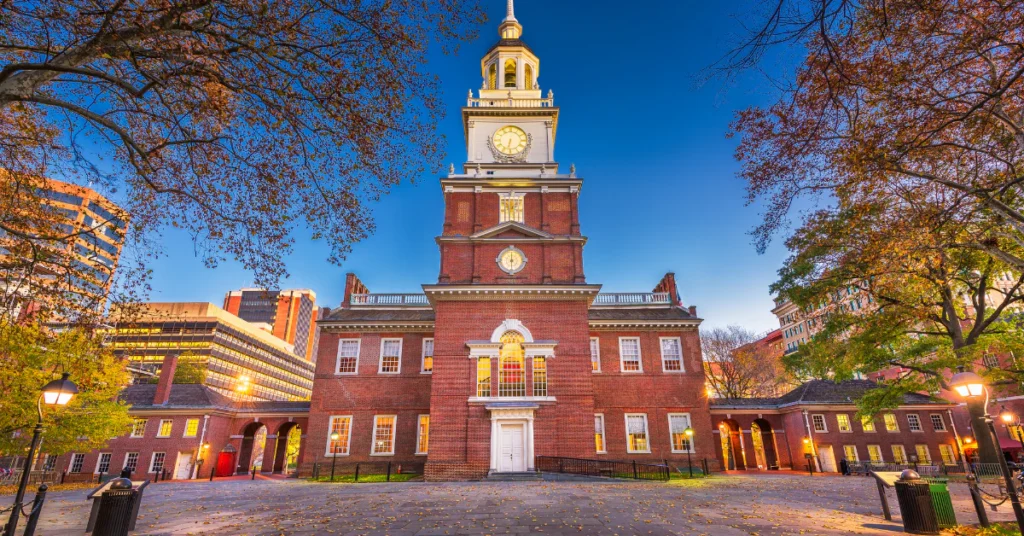
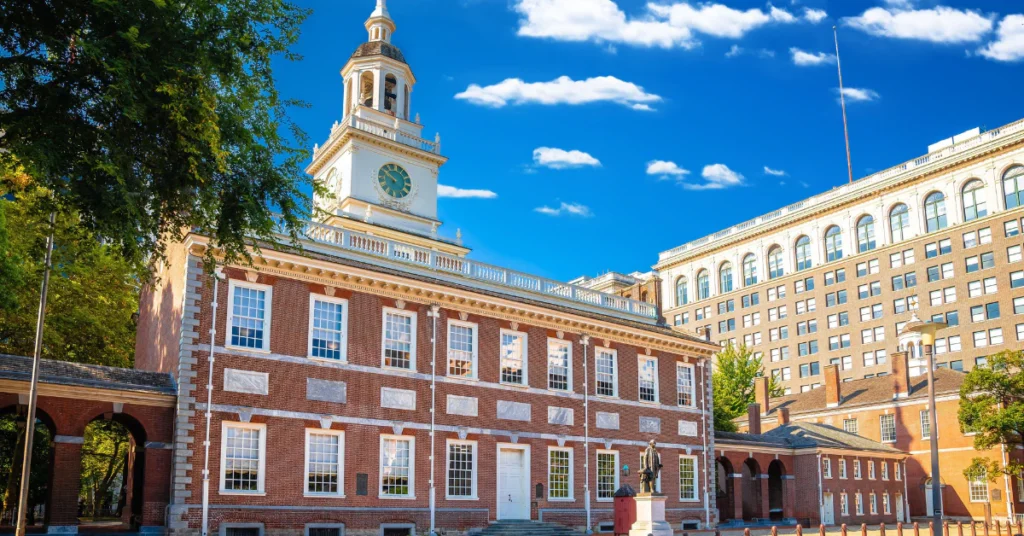
Independence Hall: Book Ahead
This is the building where the Declaration of Independence and the U.S. Constitution were both debated and signed. It’s free to tour, but you need a timed ticket. Reserve one in advance through recreation.gov, where there’s a small $1 processing fee per ticket.
Important for late 2026: Independence Hall is set to close to visitors starting November 28, 2026, for preservation work ahead of the Declaration’s upcoming anniversary. If your trip falls after that date, check the schedule before you plan your day around it.
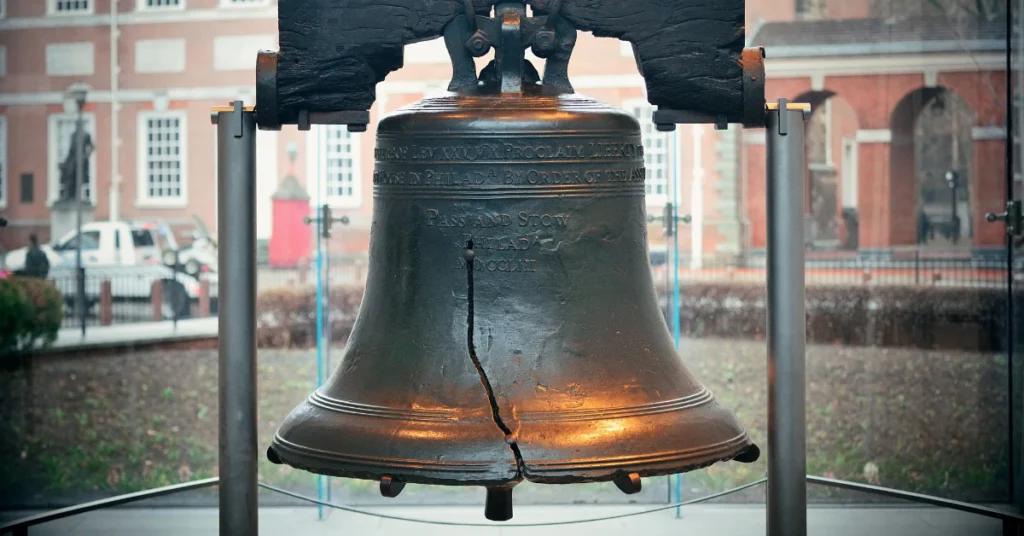
The Liberty Bell: No Ticket Needed
Right across the street sits the Liberty Bell Center. Unlike Independence Hall, this one is simple. Admission is free, and you don’t need a ticket at all. Just walk in and go through security. Most people spend about 45 minutes here.
Myth vs. Reality: The Betsy Ross House
The Betsy Ross House is one of the most visited stops in Philadelphia, and it’s also one of the most misleading. Most historians now doubt Betsy Ross ever lived in this exact building. The original house where she likely stayed was torn down back in the 1930s, partly to reduce fire risk next door. What stands today is a neighboring building that got picked out decades after the fact.
The bigger story, that Ross designed and sewed the first American flag, is also shaky. That tale didn’t show up in writing until almost 100 years after it supposedly happened, and it came mostly from her own grandsons.
None of this means skip it entirely. It’s still a fun, well-preserved look at colonial life. Just go in knowing you’re seeing a good guess, not a confirmed fact, and don’t let it eat up time you’d rather spend elsewhere.
Bottom line for this stretch of the city: Lock in your Independence Hall ticket early, treat the Liberty Bell as a quick, no-hassle stop, and give the Betsy Ross House maybe 20 to 30 minutes, not a full afternoon.
Museums, Art, and Saving Money on the Parkway
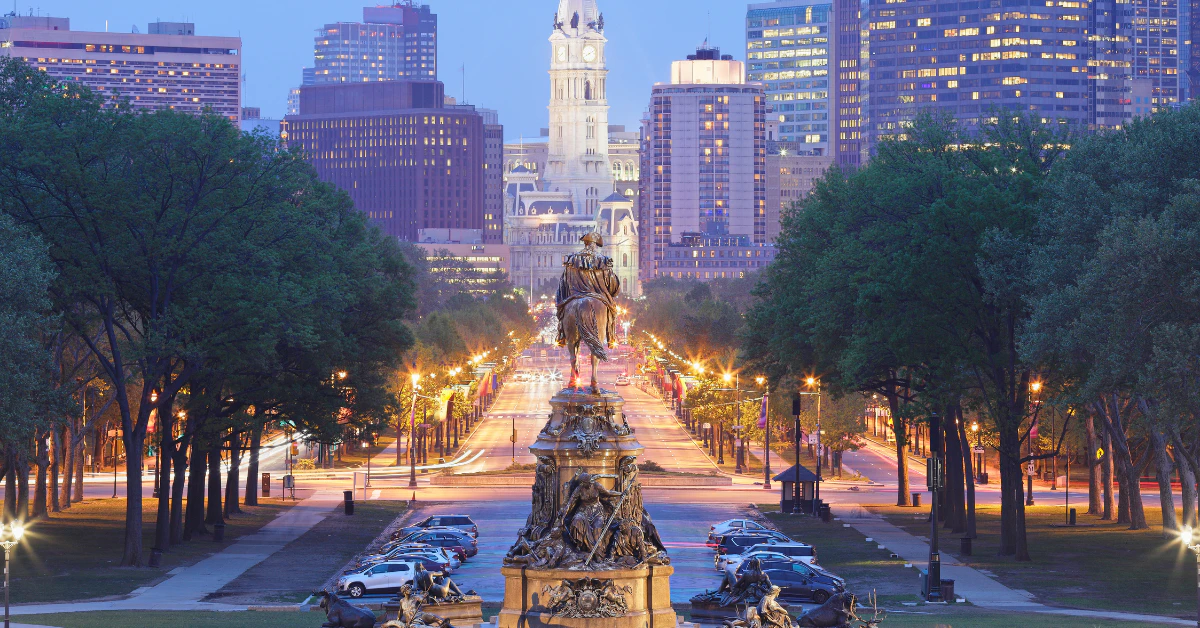
The Benjamin Franklin Parkway is Philadelphia’s museum district, and it’s where you’ll want to spend a full afternoon, if not a whole day.
Philadelphia Museum of Art
This is the big one. General admission is $30 for adults, and anyone 18 or under gets in free, any day, any time. If you want to stretch your budget, plan your visit for a Friday evening.
Every Friday from 5:00 to 8:45 p.m., the museum runs a Pay-What-You-Wish program. You choose your own admission price at the door. This deal was recently extended all the way through June 25, 2027, so it’s not a one-time offer. Attendance on these Friday nights has already jumped 87% since the program came back, so expect it to be busier than a quiet weekday morning.
The first Sunday of every month is also Pay-What-You-Wish, all day.
Franklin Institute and the Barnes Foundation
Just a short walk away sit the Franklin Institute, a hands-on science museum, and the Barnes Foundation, known for its packed, floor-to-ceiling art collection. Both are worth building into your Parkway day if you have more than a couple of hours to spend.
The Rocky Statue, the Steps, and a Warning
Everyone wants the photo of the famous steps, and the bronze Rocky statue at the bottom draws a steady crowd all day. That’s fine, do it, it’s part of the trip.
Here’s the part nobody tells you. There are often people hanging around the statue and the steps offering to snap your photo for you. They’re not just being friendly. These photographers are working for tips, and some will expect payment even if you didn’t ask for help.
If you want a stranger to take your picture, that’s totally fine, just be clear upfront about whether you’re paying, or politely decline and ask a fellow tourist instead. A quick “no thanks, I’ve got it” avoids any awkward money conversation on the steps.
Bottom line: Budget real time for the Parkway, not just a drive-by photo stop. If your trip includes a Friday evening, that’s your cheapest way into the PMA all year.
Beyond the Obvious: Prisons and Pork Sandwiches
Once you’ve done the postcard stops, it’s time to see the side of Philadelphia locals actually love.
Eastern State Penitentiary
This former prison once held Al Capone, and walking through its crumbling cell blocks is one of the most memorable things you can do in the city. It sits in the Fairmount neighborhood, a short trip from the museums.
Here’s exactly what it costs. Daytime admission, booked online, runs $21 for adults, $19 for seniors, and $17 for students and youth ages 7 to 17. Buying at the door costs $2 more across the board. If you have a SEPTA Key card, you’ll save an extra $2 on the online adult price. Kids under 7 aren’t recommended for the visit. Plan to spend about two hours here.
Skip Pat’s and Geno’s
Every guidebook sends you to the corner of 9th and Passyunk for a cheesesteak showdown between Pat’s and Geno’s. Locals will tell you straight up, this is a tourist trap, not a food destination. Both spots are famous for the rivalry, not the sandwich.
If you want a cheesesteak that locals actually eat, head to Jim’s Steaks on South Street instead.
Even better, skip the cheesesteak argument entirely and try a roast pork sandwich. Head to Reading Terminal Market and look for DiNic’s. It’s widely considered the better Philly sandwich, and you won’t be fighting a crowd of tourists for the title.
Reading Terminal Market, Beyond the Sandwich
Don’t just grab food and leave. This market is packed with dozens of small vendors selling everything from fresh produce to baked goods to Amish specialties. Give yourself at least an hour to wander, not just order and go.
Bottom line: Save your cheesesteak appetite for Jim’s, not Pat’s or Geno’s, and book your Eastern State Penitentiary ticket online before you go. It’s cheaper, and you’ll skip the line at the door.
Live Right Now: Events, Festivals, and Seasonal Programming
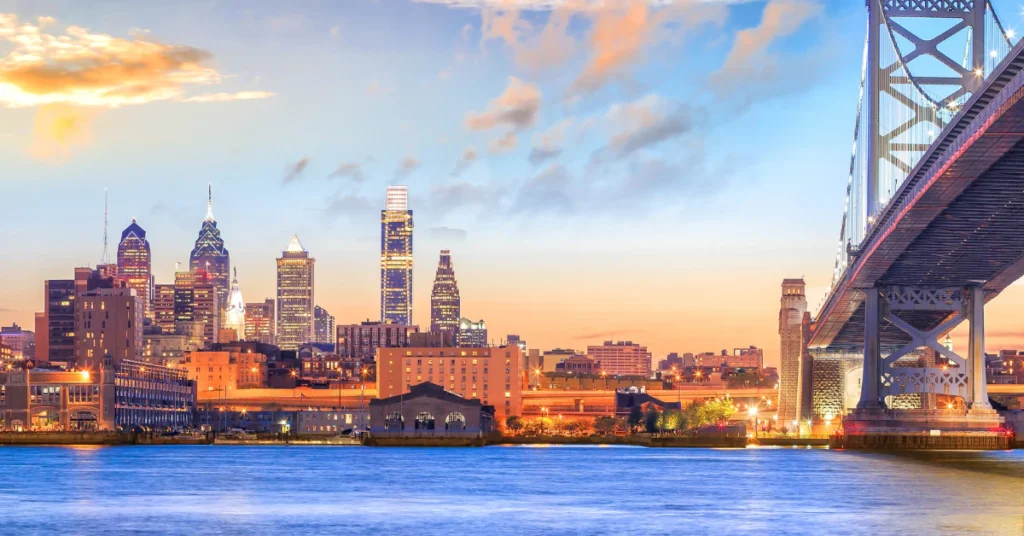
Updated for October 2026. If you’re searching for things to do in Philadelphia this week or next weekend, this is the section for you. Everything above is good any time of year. This part changes by the season, so check back before you lock in plans.
October in Philadelphia means fall festivals, Halloween attractions, and a packed arts calendar. One of the biggest draws right now is the Philadelphia Film Festival, celebrating its 35th year. It runs through the end of October, with screenings, premieres, and filmmaker appearances at venues across the city.
If you’re planning a trip for this week or next weekend, expect extra crowds around museum openings, open-air markets, and neighborhood festivals. Fall is also peak season for Eastern State Penitentiary, which runs special Halloween-themed evening events on top of its regular daytime hours.
A few quick tips for this time of year:
- Book timed tickets (Independence Hall, special exhibits) a few days ahead, not the morning of.
- Evenings cool off fast in October, so pack a layer if you’re out past sunset.
- Weekend festivals can shut down streets in Old City and Center City, so build in extra walking time.
For the most current week-by-week listing of concerts, markets, and pop-up events, check the official city events calendar before you finalize your itinerary, schedules shift often and new events get added right up to the week of.
This section is the one to revisit closer to your travel date. Everything else in this guide holds true no matter when you land.
Logistics: Getting Around and Staying Safe
Here’s the practical stuff most guides skip.
Getting Around on SEPTA
SEPTA runs the city’s buses, subway, and trolleys. Right now, a single ride costs $2.50 in cash or $2.00 if you use a SEPTA Key card. That’s about to change. SEPTA held public hearings in October 2026 on a proposal to drop the Key card discount entirely, which would make every ride a flat $2.50, no matter how you pay.
A few things that stay true either way: riders 65 and older ride free, and kids under 12 ride free when they’re with a paying adult. If you’re staying a few days, grab a Key card at a station vending machine. Check SEPTA’s fare page before your trip to see if the new pricing has kicked in yet.
Where It’s Safe to Walk
Let’s be direct about this, since most tourism sites won’t be.
Old City, Center City, Rittenhouse Square, and Fairmount (home to Eastern State Penitentiary) are safe, walkable, and heavily used by tourists day and night. These are the neighborhoods where almost everything in this guide takes place.
Kensington is a different story, and locals consistently flag it as an area to avoid, especially after dark. The same goes for a handful of North Philadelphia neighborhoods: Strawberry Mansion, Hunting Park, Nicetown, and Fairhill. These aren’t places you’d stumble into by accident while sightseeing, but it’s worth knowing the names so you don’t book a hotel nearby without realizing it.
Bottom line: Stick to the neighborhoods listed above, grab a Key card for transit, and you’ll move around Philadelphia easily and safely.
Tailoring Your Trip: Itineraries by Group
Not every trip looks the same. Here’s how to shape your time depending on who’s with you.
Things to Do in Philadelphia with Kids (1 Day)
Younger kids do best with hands-on stuff and shorter walks.
- Morning: Franklin Institute. It’s built for hands-on exploring, so kids can touch and move things instead of just looking.
- Lunch: Reading Terminal Market. There’s enough variety that even a picky eater finds something.
- Afternoon: Old City, Independence Hall (if you booked a ticket) and the Liberty Bell, which needs no ticket at all.
One money-saver: kids under 12 ride SEPTA free when they’re with a paying adult, so you can skip the rental car and just hop transit between stops.
Things to Do in Philadelphia with Teens (1 Day)
Teens tend to want something a little edgier than a history lecture.
- Morning: Eastern State Penitentiary. The crumbling cell blocks and the Al Capone connection tend to land well with this age group. Book online ahead of time for the better price.
- Afternoon: South Street. It’s packed with shops, record stores, and quirky spots to wander, plus it’s where you’ll find Jim’s Steaks if lunch is still on the agenda.
Things to Do in Philadelphia for Adults (3-Day Weekend)
A longer trip gives you room to slow down and actually enjoy each stop.
| Day | Focus |
| Day 1 | Old City: Independence Hall, Liberty Bell, Betsy Ross House |
| Day 2 | Parkway museums: Philadelphia Museum of Art (go Friday evening for Pay-What-You-Wish), Barnes Foundation, Franklin Institute |
| Day 3 | Italian Market in the morning, Penn’s Landing and the waterfront in the evening for dinner and nightlife |
This pacing keeps each day focused on one part of the city, so you’re not crisscrossing Philadelphia back and forth. If your three days land on a Friday, build your museum day around that evening’s Pay-What-You-Wish window, it’s the easiest win on this whole list.
Frequently Asked Questions
What should I not miss in Philadelphia?
Independence Hall and the Liberty Bell top the list, since they’re the reason Philadelphia exists on most travel itineraries in the first place. Pair those with the Philadelphia Museum of Art and Reading Terminal Market, and you’ve covered the four stops nearly every visitor builds a trip around.
What’s the most popular tourist attraction in Philadelphia?
Independence Hall and the Liberty Bell are consistently the most visited and most talked-about sites in the city. The Rocky Statue and the Art Museum steps come in close behind, mostly thanks to the photo op.
How do you say “hi” in Philadelphia?
Locals say “Yo.” It sounds casual everywhere in the country, but in Philadelphia it’s genuinely how people greet each other on the street, not just slang from a movie.
Why is Philly called a hostile city?
This nickname traces back to a specific moment, not just a vibe. In 1994, a Gallup Poll named Philadelphia America’s most hostile place, and the label stuck around in local jokes ever since. It gets thrown around ironically, especially since the city’s real nickname is the “City of Brotherly Love.”
One quick note: you may also see Philadelphia linked to “Sin City” online. That’s not accurate. Sin City is a Las Vegas nickname, not a Philadelphia one.
Who is the most famous person from Philly?
Will Smith is the name that comes up most often today. He was born and raised in West Philadelphia and still gets claimed by the city every chance it gets.
Benjamin Franklin is the name most historically tied to Philadelphia, since he spent most of his life and career there. But here’s the twist most people don’t know: he was actually born in Boston, not Philadelphia.
Final Thoughts
Philadelphia rewards a little planning. Book your Independence Hall ticket ahead, time a Friday evening for the art museum, and skip the Pat’s versus Geno’s debate entirely. Do that, and you’ll spend your trip eating well, walking easy neighborhoods, and seeing the real city instead of standing in avoidable lines.