
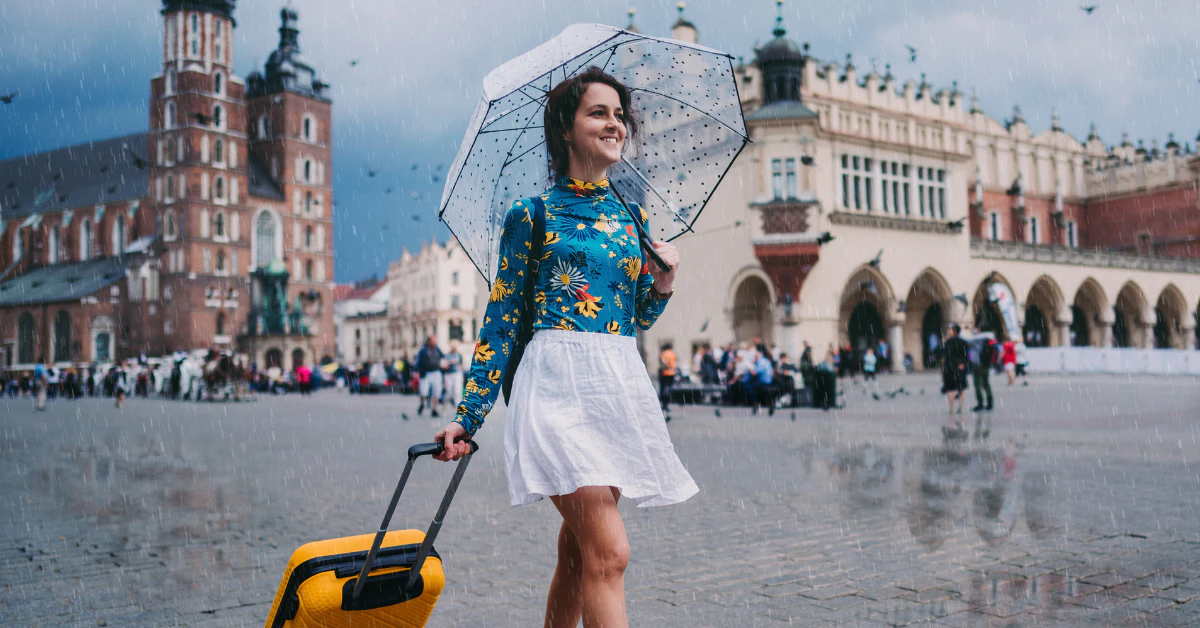
Iceland is the best place to travel solo. It has ranked #1 on the Global Peace Index for 17 years in a row. That makes it the world’s most peaceful country, year after year. For any solo traveler, especially a woman planning her first trip alone, that kind of track record is hard to beat.
But “best” is not the same for everyone. Some readers want the safest place to travel alone as a woman. Others care most about cost. Some just want an easy first trip inside the US before flying overseas.
This guide covers all three. You will find real safety data, real budget numbers, and honest advice for choosing a destination that fits your needs, not just a list of pretty places.
The Global Peace Index confirms Iceland’s streak.
Why 2026 Is the Year to Go (The Data Behind Solo Travel)
Solo travel is not a small trend. It is a booming industry.
The U.S. solo travel market was worth $95 billion in 2024. It is projected to grow past $190 billion by 2030. That is not a niche hobby. That is a mainstream shift in how people vacation.
You are also not alone in going alone. A full 72% of women in the U.S. have taken a solo trip at least once. If you are nervous about your first one, most women around you have already done it and come back fine.
Here is another number worth knowing. Solo travelers actually spend more money per person than couples do. On average, they outspend couples by 42.8%. This matters for one reason: it means the travel industry has a real financial incentive to serve you well. Airlines, hotels, and tour companies are not ignoring solo travelers. They are chasing your business.
Put together, these numbers tell a simple story. Traveling alone is common, it is growing fast, and it is taken seriously by an entire industry built around it.
This is not a reckless leap. It is a well-worn path, backed by billions of dollars and millions of women who have walked it first.
That confidence matters. It should shape how you plan your trip, from the destination you pick to the budget you set.
Europe’s Safest Destinations & New 2026 Rules
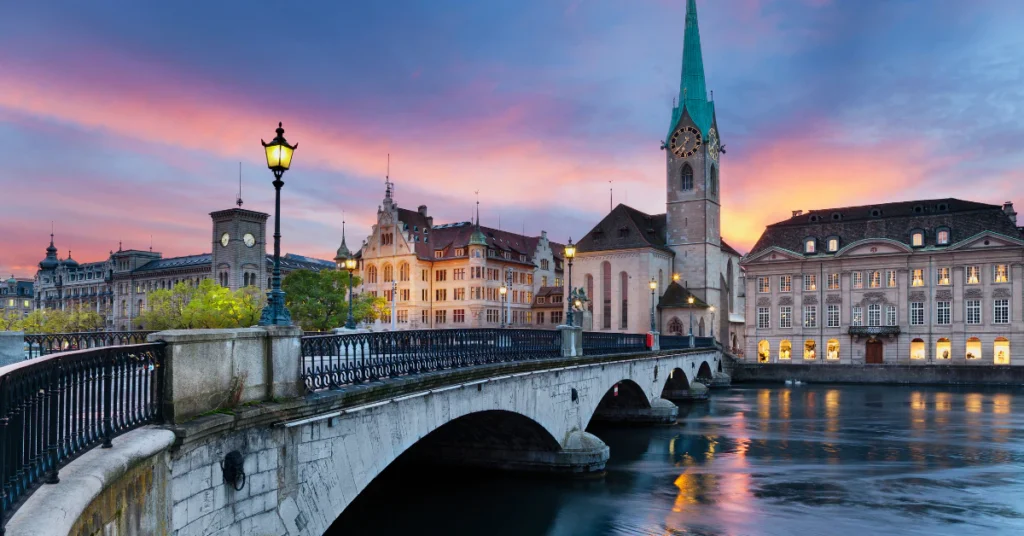
General safety rankings do not always tell women what they need to know. A country can have low crime overall and still feel unsafe for a woman walking alone at night. That is why a different measure matters more here: the Women, Peace and Security (WPS) Index.
The WPS Index 2025–26 looks at more than just crime rates. It measures how women are treated in each country, how safe they feel, and how much legal protection they have. Out of 181 countries, Denmark ranks #1. Iceland, Norway, Sweden, and Finland round out the top five.
This is a useful list for a simple reason. It answers the actual question most solo female travelers are asking. Not “is this country peaceful in general,” but “will I, as a woman alone, be treated well here.”
Denmark, Iceland, Norway, Sweden, and Finland all share some common traits. Public transport is reliable. Streets are well lit. Strangers tend to mind their own business in a good way, not an unfriendly one. These are practical, everyday signs of safety, not just numbers on a chart.
Budget for New 2026 Fees Before You Go
Safety is only half the planning picture. Cost is the other half, and Europe changed some of its rules in 2026. If you skip this part, you could get an unpleasant surprise at check-in or at the dock.
Venice now charges a day-tripper fee. It applies on 60 days out of the year, mostly weekends and peak season. Book at least four days ahead and it costs €5. Wait until the last minute, and it jumps to €10. If you are staying overnight in the city, you do not have to pay this fee at all. It only targets visitors passing through for the day.
Edinburgh introduced a new visitor levy in 2026. It is Scotland’s first tax of this kind. It adds 5% to your room rate at hotels, hostels, and short-term rentals. The charge is capped at seven nights, so a longer stay will not keep racking up fees forever.
Barcelona roughly doubled its tourist tax for 2026. If you book a short-term rental, expect to pay €12.50 per person, per night. Hotel guests pay between €10 and €15 a night, depending on the hotel’s category. This charge is added on top of your room rate, so do not be caught off guard when you see your final bill.
None of these fees should scare you off. They are small compared to the total cost of a trip. But they are easy to forget when you are budgeting, and they add up faster than most travelers expect.
The Simple Takeaway
Use the WPS Index to pick your destination with confidence. Then build these new city fees into your trip budget before you book flights or hotels. A solo trip to Denmark, Iceland, or any of Europe’s top-ranked countries can be both safe and affordable. You just need to plan for the real numbers, not the numbers from a few years ago.
Full WPS Index rankings are available through Georgetown’s Women, Peace and Security Index research.
Asia & Beyond for Maximum Value
When you travel alone, you pay for everything yourself. There is no one to split a hotel room with. That makes cost one of the biggest factors in picking a destination, especially for a longer trip.
This is where Asia and parts of Africa stand out. Your money simply goes further there. According to 2026 data from HelloSafe, which ranked 131 countries by daily travel cost, three destinations top the list for value.
The Cheapest Countries to Travel Solo in 2026
| Country | Average Daily Budget |
| Laos | $15.40 |
| Kazakhstan | $19.00 |
| Rwanda | $20.80 |
Laos is the single cheapest country to travel in, based on this data. At just over $15 a day, a solo traveler can cover food, a place to sleep, and local transport without much strain on a budget.
Kazakhstan comes in second at $19 a day. It is not a typical stop on most solo travel lists, which means fewer crowds and lower prices at the places tourists do visit.
Rwanda rounds out the top three at $20.80 a day. This shows that budget-friendly solo travel is not just an Asia story. Africa offers real value too, for travelers willing to look beyond the most popular routes.
Vietnam: A Reliable Backpacker Favorite
Vietnam is not the cheapest option on this list, but it is one of the most tested. Solo backpackers commonly report daily budgets between $25 and $35. That typically covers:
- A room for the night, often $10 to $20
- Food for the day, around $5 to $10
- Local transport, which can run as low as $1
This range makes Vietnam a strong middle option. It costs a bit more than Laos or Kazakhstan, but it comes with a well-worn backpacker trail. That means more hostels, more English-speaking staff, and more other solo travelers to meet along the way.
Why This Matters for a Long Trip
If you are planning a trip that lasts a few weeks or longer, small daily savings add up fast. Here is a simple way to see it.
A 30-day trip in Laos, at $15.40 a day, costs about $462 in daily expenses. That same 30 days in a country charging $50 a day would cost over $1,500. The destination you choose changes your total budget by thousands of dollars, not just a few dollars here and there.
This is the real value of solo travel in Asia and Africa. It is not just about finding a cheap flight. It is about choosing a place where your daily costs stay low for the entire length of your trip.
The Simple Takeaway
If stretching your budget matters more than anything else, start your search with Laos, Kazakhstan, or Rwanda. If you want a proven, backpacker-friendly option with strong infrastructure, Vietnam is a smart middle ground. Either way, you can plan a long solo trip abroad without draining your savings.
Staying Domestic: Top US Destinations

Not everyone is ready to fly overseas for a first solo trip. That is completely fine. A domestic trip can be the perfect starting point, and the US has plenty of cities built for solo travel.
Three cities stand out for their walkability and easy infrastructure.
San Francisco offers a compact, walkable layout. You can explore most of the city without needing a car.
Washington D.C. is packed with free museums and monuments. It is an easy city to fill your days without much planning.
New York City is one of the easiest places in the world to eat alone, walk alone, and explore alone. Its subway system makes getting around simple, even for first-time visitors.
All three cities share the same advantage. English is the only language you need. There is no time zone shock. Your phone plan just works. For a first solo trip, that kind of simplicity matters.
The Real Cost of Staying Home
Here is something most guides do not tell you. Traveling in the US is not cheap. In fact, it is one of the more expensive places in the world to travel.
The U.S. ranks as the 7th most expensive country in the world to travel in. The average daily budget runs about $249. Compare that to Laos, at just $15.40 a day, and the gap is enormous.
There is another number worth knowing too. On the Global Peace Index, which measures overall national safety and stability, the U.S. ranks 128th. That does not mean any single US city is unsafe for a solo traveler. It simply means the country as a whole scores lower than nations like Iceland or Denmark on this specific measure.
The Simple Takeaway
A domestic trip removes a lot of the friction that comes with international travel. No passport stress, no language barrier, no long flight. That makes it a smart first step for a nervous solo traveler.
But it is not the budget-friendly option. At roughly $249 a day on average, a US trip can cost more than a much longer trip in Southeast Asia or parts of Africa. If your top priority is stretching your dollars, look at the international destinations covered earlier in this guide. If your top priority is comfort and ease for a first trip, San Francisco, Washington D.C., and New York City are all solid, walkable choices.
Beating the “Solo Tax” (Single Supplements)

If you have ever priced out a cruise or a group tour by yourself, you have probably run into this problem. The price doubles the moment you book as a solo traveler.
This is called a single supplement fee. Most tours and cruises are priced for two people sharing a room. When you travel alone, the company still charges you for that unused second spot. In some cases, this fee can add up to 100% extra on top of the normal price.
This is not a small annoyance. It is one of the most common complaints among solo travelers, and it can make a trip feel financially unfair before you even leave home.
The good news is that the industry is starting to respond.
Cruise Lines That Skip the Fee
A few major cruise lines now offer solo-friendly options that avoid this charge entirely.
Norwegian Cruise Line offers Studio cabins built specifically for solo travelers. These rooms often come without any single supplement at all.
Royal Caribbean offers a similar setup with its own Studio cabins, giving solo travelers a private room without the usual markup.
Virgin Voyages goes a step further. On its adult-only ships, it waives the single supplement completely. You pay the same base rate as anyone else, regardless of whether you are traveling alone.
How to Use This Information
Before booking any cruise, search specifically for “solo cabin” or “studio cabin” options. These rooms are usually smaller, but they are built for one person, so you are not paying for space you do not need.
If you are set on a specific cruise line that does not offer these cabins, it is still worth calling and asking directly about single supplement discounts. Some companies offer reduced rates during off-peak sailings, even if it is not advertised on their website.
The Simple Takeaway
You should not have to pay double just because you are traveling alone. Norwegian, Royal Caribbean, and Virgin Voyages all prove that a fairer pricing model is possible. Look for these options first, and you can avoid one of the most frustrating costs in solo travel.
Destination Nuance: The Riskiest Spots and Safety Mismatches
Good safety advice does not sugarcoat things. It also does not scare you into staying home. Here is the honest picture.
The Official “Do Not Travel” List
The U.S. State Department tracks travel risk using a four-level system. Level 1 means normal precautions. Level 4 means “do not travel,” the highest warning the government gives.
As of a July 2026 update, 23 countries carry this Level 4 warning. These include places like Afghanistan, Haiti, Russia, and Yemen, among others. This list changes over time, so it is worth checking directly before booking any trip to a country you are unsure about.
This list is a good starting filter. It flags places with serious risks like armed conflict, kidnapping, or unstable government control. If a country is on this list, that is a clear, official signal to stay away for now.
Why “Safe on Paper” Is Not the Whole Story
Here is the part most guides skip. A country can have low violent crime and still feel uncomfortable for a solo woman walking around.
Crime statistics usually measure things like theft, assault, and murder. They do not always capture something else that matters just as much: how often you get stared at, followed, or spoken to in ways that feel unwelcome.
One real example makes this clear. A solo female traveler shared a detailed trip report after spending eight weeks in Belize. She had visited 14 countries before this trip. Out of all of them, she rated Belize as the worst for street harassment, even though it is generally considered a “safe” destination.
This does not mean Belize should be avoided entirely. It means official safety rankings and daily comfort are two different things. A place can pass every safety checklist and still wear you down with constant unwanted attention.
How to Use This Information
Before you book, do two things. First, check the State Department’s current advisory level for your destination. Second, search for recent, first-hand trip reports from other solo travelers, especially women. Numbers tell you about danger. Real stories tell you about daily comfort.
FAQ’s
What are some good destinations for solo travel?
Iceland is a strong starting point. It has ranked #1 on the Global Peace Index for 17 years straight. Denmark is another excellent choice. It ranks #1 on the Women, Peace and Security Index, which measures safety specifically for women. Norway, Sweden, and Finland also rank near the top of both lists.
Where is the best place to go alone?
There is no single answer that fits everyone. If safety is your top concern, Iceland and Denmark lead the data. If you want your money to go further, Laos, Kazakhstan, and Rwanda offer the lowest daily costs in the world. If you want an easy first trip with no language barrier, US cities like San Francisco, Washington D.C., and New York City work well.
What is the riskiest destination for solo travelers?
The clearest, most current answer comes from the U.S. State Department. As of a July 2026 update, 23 countries carry a Level 4 “Do Not Travel” warning. This is the highest risk level the government assigns. Always check the current list before booking, since it changes over time.
Where not to travel alone as a woman?
Start with the State Department’s Level 4 list for countries with serious political or safety risks. But remember that official rankings do not always match daily comfort. One solo traveler’s detailed report ranked Belize as the worst of 14 countries she visited for street harassment, despite its general reputation as safe. Numbers and lived experience do not always agree, so check both.
Where to travel solo cheaply?
Based on 2026 daily budget data, Laos is the cheapest option at $15.40 a day. Kazakhstan follows at $19 a day, and Rwanda comes in at $20.80 a day. Vietnam is a reliable middle option, with backpacker budgets running between $25 and $35 a day. All four destinations offer real value for a longer solo trip.
Conclusion
There is no single “best” place to travel solo. There is only the best place for what you need right now.
If safety is your top priority, the data points to Iceland and Denmark. If you want your money to stretch further, Laos, Kazakhstan, and Rwanda lead the way. If you want an easy first trip with no language barrier, San Francisco, Washington D.C., and New York City are solid choices.
What matters most is that you are not guessing. You now have real numbers behind every option: safety rankings, daily budgets, and honest warnings about where to stay careful.
Solo travel is not a risky trend. It is a $95 billion movement that most American women have already joined. The only decision left is which trip fits you best.