
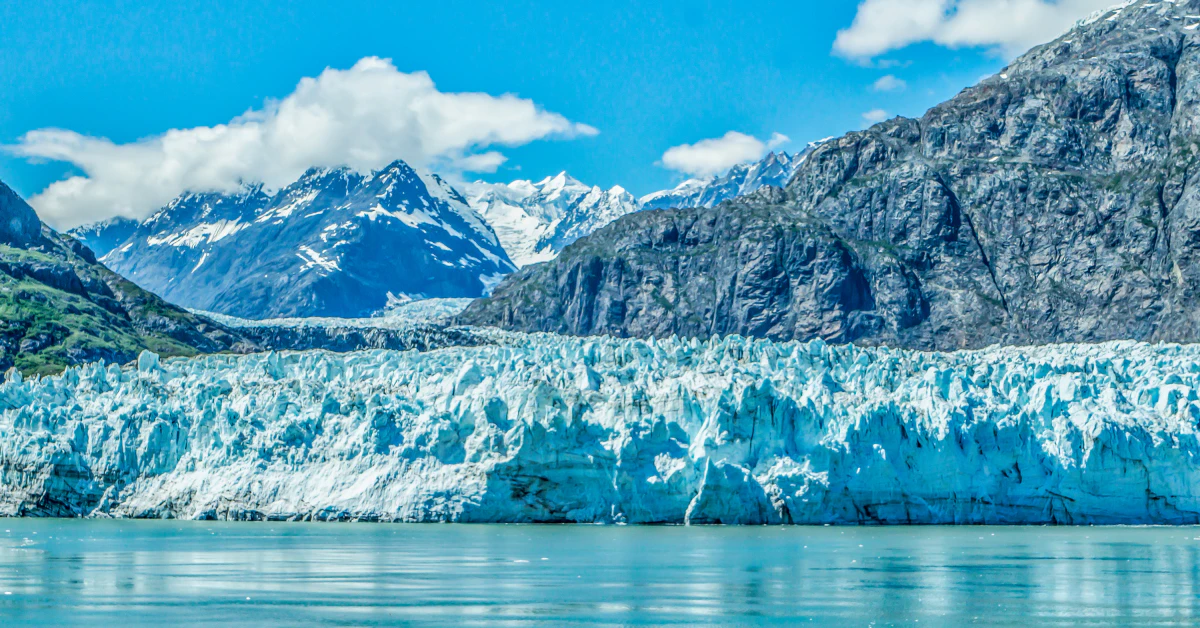
June through August is the best time to visit Alaska for most travelers. This window has the warmest weather, the longest daylight hours, and the widest range of open tours and activities. Alaska’s main travel season runs from mid-May to mid-September, with June and July marking peak conditions.
That short answer works for most people. But it is not the full story.
Alaska is huge, and it does not run on one single “best month.” The right time for your trip depends on what you care about most. If you want the warmest days and the easiest access to parks and tours, summer wins. If you want lower prices, you may need to shift a few weeks earlier or later. If wildlife or the northern lights are your main goal, the calendar looks different again.
This guide breaks down the best time to visit Alaska for cruises, national parks, wildlife, mosquito-free hiking, families, and more. Each section covers a different priority, so you can match the right month to your own trip goals.
If you are mainly chasing good weather and smooth travel, start planning for summer. If something else matters more to you, like cost or seeing whales, keep reading. The section built for your priority is just below.
Navigating the 2026 Alaska Cruise Season

If you are picking the best time to visit Alaska by cruise, the season itself gives you a clear window to work with. The 2026 Alaska cruise season runs from late April through early October, about 24 weeks total. Inside that window, peak season falls in June, July, and August.
But 2026 is not a normal year. A record 65 cruise ships are sailing to Alaska this season, up from 54 in 2025. That is a big jump. More ships means more sailing dates to choose from, which is good news if you want flexibility. It also means busier ports during the peak July weeks, especially in popular stops like Ketchikan, Juneau, and Skagway.
If you want a quieter cruise experience, sailing in May or September is worth considering. You will trade a few degrees of warmth for shorter lines and more breathing room on shore excursions. If you want the warmest weather and the most daylight, July is still the strongest single month, just expect company.
Should You Book a Balcony Cabin?
This is one of the most debated questions among Alaska cruisers, and there is no single right answer.
A balcony cabin typically costs $800 to $2,000 or more extra per cabin compared to an interior room. That is a real jump in your budget, so it is worth weighing both sides honestly.
The case for a balcony:
- You can step outside the moment you spot a whale or a glacier, instead of racing to a crowded open deck
- Mornings with coffee or quiet moments watching the coastline feel more personal
- You get your own space during scenic cruising through places like Glacier Bay
The case against it:
- Alaska weather is unpredictable. Rain and fog are common, and a foggy day can make an expensive balcony feel wasted
- Many travelers report spending most of their time on open decks or at indoor viewing lounges anyway
- The money could go toward excursions, like wildlife tours or train trips, instead
There is no universal verdict here. If scenic cruising days like Glacier Bay are a top priority for you, a balcony adds real value. If you plan to spend most of your time exploring the ship or joining excursions, an interior or ocean-view cabin may serve you just as well. For current sailing dates and ship options, the Cruise Lines International Association is a useful starting point.
The Wildlife & Fishing Calendar

If wildlife is why you are going to Alaska, timing matters more than almost anything else. The best time to visit Alaska for wildlife depends on which animal you want to see, so it helps to break it down species by species.
Whales
The whale season runs from May through September, but July stands out as the strongest single month overall. This is when humpback whale sightings are most reliable.
Orcas follow a slightly different pattern depending on where you go. In Kenai Fjords, orca sightings peak from mid-May to mid-June. In Southeast Alaska, July and August tend to be the stronger months instead. If orcas are your main target, picking the right region matters as much as picking the right month.
Bears
For bear viewing, Katmai National Park is the name most worth knowing. Brooks Falls, inside Katmai, is one of the best known spots in the state for watching brown bears catch salmon in the river. Bears are most active here during the salmon runs, which line up closely with the fishing windows below.
Fishing
Anglers asking about the best time to visit Alaska for fishing should focus on the Kenai River, home to two separate king salmon runs. The first run happens from late May through July. The second run follows close behind, running from July into August.
This means you have a fairly wide window for king salmon, but the two runs are not identical. Some anglers prefer the first run for quieter rivers, while others wait for the second run hoping for larger fish counts. Either way, late May through August covers the full king salmon season on the Kenai.
If you are trying to combine wildlife viewing and fishing in one trip, July is the month where the most things line up at once. Whales, bears, and the second king salmon run all overlap during this stretch.
The Big Trade-Off: Northern Lights vs. Midnight Sun
Here is something many travelers do not realize until they start planning: you usually cannot see the northern lights and enjoy peak summer weather on the same trip. These two experiences pull you in opposite directions on the calendar.
The best time to visit Alaska for northern lights is September through April. The lights are most active around the spring and fall equinoxes, which makes March and September especially strong months. Fairbanks is widely known as one of the best hubs in the state for aurora viewing, thanks to its clear interior skies.
The reason June and July do not work for aurora viewing comes down to simple daylight. Alaska gets nearly 24 hours of light during those peak summer months. There is no real darkness for the lights to show up against, no matter how active the aurora is that night.
So what if you want a taste of both? September is the best compromise on the calendar. The cruise and tour season is still running in early September, so you can still catch glaciers, wildlife, and open parks. At the same time, nights start getting dark enough by late August and into September for the aurora to become visible again.
If northern lights are your top priority, plan your trip for fall or winter and let go of the idea of warm, sunny days. If warm weather and long days matter more, enjoy the midnight sun in summer and save the aurora chase for another trip.
Denali & National Parks: What You Need to Know for 2026

When people ask about the best time to visit Alaska national parks, Denali comes up first. But before you plan around it, there is something important you need to know about road access in 2026.
A landslide near Mile 45 damaged part of the Denali Park Road back in 2021. The National Park Service has been repairing it ever since, and a new bridge now spans the damaged section. Still, in 2026, summer shuttle buses only travel as far as Mile 43, known as East Fork. Full bus access to the western half of the park, past the landslide area, is not expected to return until 2027.
This matters a lot if you are picturing a trip deep into Denali’s interior. In 2026, that part of the park is still out of reach for most visitors, no matter which month you choose.
There is one small exception worth knowing about. After the regular summer bus season ends in mid-September, Denali opens a short window where private vehicles are allowed to drive as far as Mile 30, near Teklanika. This is much farther than the 15-mile limit private cars normally face during summer. It will not get you all the way into the park, but it is the closest you can get to a self-driven deep-park experience in 2026.
If seeing the heart of Denali is a top priority, 2027 will be the year full access returns. For 2026, plan your visit around the areas that are open, and treat that September driving window as a bonus, not something to build your whole trip around. Current shuttle schedules are posted on the National Park Service Denali site.
Family Travel & Beating the Mosquito Season

Planning an Alaska trip with kids usually means working around summer break, and that lines up well with the state’s peak season anyway. The best time to visit Alaska with family is typically June through August, when school is out and daylight hours are longest. More daylight means more flexibility if your kids need extra time to wind down or your schedule needs to shift around naps and early bedtimes.
For families trying to pick the best time to visit Alaska with kids, July is often the sweet spot. Days are warm, most tours and attractions are fully open, and wildlife is active enough to keep young travelers engaged.
Now for the part parents worry about most: mosquitoes.
A lot of families searching for the best time to visit Alaska to avoid mosquitoes assume the whole state is swarming all summer. That is not quite true.
The real mosquito peak runs from late June through mid or late July. But here is the part that trips people up: that peak is not locked to the same dates every year. It shifts based on snowmelt. A warmer spring can push the worst week earlier than usual, so planning strictly by the calendar is not a sure bet.
Where you go matters just as much as when. Coastal towns and cruise ports, like the ones most cruise itineraries visit, tend to have very few mosquitoes. The real bug pressure shows up inland, especially around Fairbanks and the interior areas near Denali.
If your family trip stays mostly coastal, you likely will not need heavy bug gear. If you are heading inland during peak season, pack repellent and consider a head net, especially for younger kids who are more sensitive to bites.
Budgeting & Trip Costs
Alaska often gets called one of the cheaper states to shop in, and that is true at the state level. Alaska is one of only five US states with no state sales tax. On paper, that sounds like a win for your travel budget.
But here is what catches a lot of visitors off guard: local towns and boroughs can still charge their own sales tax, and some of these rates are not small. Local taxes in Alaska can run as high as 7.5% to 9.5% depending on the city or borough you are in. Some tourist towns even raise their local tax rate during the summer cruise season specifically to help pay for the infrastructure that all those visitors use.
This matters most when you are eating out or booking small excursions. A $25 dinner can quietly turn into $27 or more once local tax is added. It is not a huge jump on a single meal, but it adds up over a full week of dining and shore excursions, especially for a family.
The lesson here is simple. Do not assume “no sales tax” means every purchase in Alaska is tax-free. It depends entirely on which town you are in. If you are budgeting tightly, build a small buffer into your daily food and activity spending, rather than assuming prices on the menu are the final price you will pay.
This is a small detail, but it is one that rarely shows up in trip planning guides, and it is worth knowing before you set a strict daily budget for your trip.
Frequently Asked Questions
What is the number one tourist attraction in Alaska?
There is no single official answer. By raw visitor numbers, Klondike Gold Rush National Historical Park in Skagway ranks highest, mostly because of heavy cruise traffic through the port. By reputation, Denali National Park and Kenai Fjords wildlife cruises are the names most often called Alaska’s signature experiences.
What is the cheapest month to go to Alaska?
For land travel, January and February tend to be the lowest-cost months, with cheaper flights and more hotel vacancy. For cruises, the lowest fares usually show up in late April, early May, and October, right at the edges of the cruise season.
What is the best way to see Alaska for the first time?
A cruise, or a cruise combined with a land tour, is generally the easiest option for first-time visitors. Alaska’s size and limited road network make a fully independent road trip harder to manage on a first visit.
What is the average cost of a trip to Alaska?
There is no single fixed number. A 7-day trip in 2026 is commonly estimated between $2,500 and $7,000 per person, depending on whether you choose a budget trip, a mid-range trip, or a luxury itinerary.
Can you wear jeans in Alaska?
Jeans work fine for walking around towns and ports. They are a poor choice for hiking, glacier walks, or anywhere you might get wet, since denim stays soaked and offers little warmth once damp.
Is it cheaper to cruise or fly to Alaska?
This depends on your travel style. A cruise bundles transportation, lodging, and most meals into one price, with fares starting as low as around $499 in shoulder season. An independent fly-in trip separates out airfare, lodging, and food, which can be cheaper if you travel off-peak, but it takes more planning to keep costs down.
How many days is enough for an Alaska trip?
Most travel sources recommend 7 to 14 days. Seven days is close to the minimum for seeing more than one region, while a short weekend only works if you stay within a single hub city.
Is a balcony worth it on an Alaskan cruise?
Opinions are genuinely split. A balcony typically adds $800 to $2,000 or more to your cabin cost. Some travelers say it is worth every dollar for private glacier and wildlife views. Others feel it is wasted money on rainy or foggy days, which are common in Alaska.
Is eating out in Alaska expensive?
Food costs tend to run around $36 to $50 or more per person per day for a mix of casual and sit-down meals. Keep in mind that local sales tax, which can reach 7.5% to 9.5% in some towns, adds a bit more on top of menu prices.
Final Thoughts
There is no single “best” month for every traveler heading to Alaska. The right time depends on what you want most out of the trip.
If warm weather and full access to tours matter most, aim for June through August. If you want to see the northern lights, plan for fall or winter instead, since summer’s near-constant daylight rules out aurora viewing entirely. Wildlife lovers should build their trip around July for the widest mix of whales, bears, and salmon runs, while budget-focused travelers will find better deals in the shoulder months at the edges of the main season.
Alaska rewards travelers who plan around their priorities instead of chasing a single “perfect” month. Once you know what you care about most, whether that’s glaciers, bears, the aurora, or simply keeping costs down, the right time to go becomes a much easier call.


